
Pro Tips
Restaurant kitchen cleaning schedule: how to build one
Wondering how to build a cleaning schedule for your restaurant kitchen? Build a step by step plan that works in service and passes inspection.
In short
- A cleaning schedule sets out what to clean, how often, how, and by whom.
- It is a core part of your food safety management and keeps cleaning consistent across every shift.
- Split tasks into daily, weekly and monthly, and tie each one to a clear owner.
- Record that cleaning is done so you can easily show control during an inspection.
- A digital checklist is easier to follow than a binder on the wall.
Wondering how to build a cleaning schedule that actually holds up in a busy kitchen? A good cleaning schedule keeps the kitchen clean without anyone having to remember everything, and it lets you show clearly how you work when an inspector visits. Here is a practical, step by step approach.
What a cleaning schedule is, and why you need one
A cleaning schedule is an overview of what needs cleaning, how often, how, and by whom. It is a core part of your food safety management, and it keeps cleaning consistent no matter who is on shift. The idea is simple: a clean kitchen means safe food, and a written plan removes the guesswork.
Without a plan, cleaning quickly becomes person dependent. Some scrub thoroughly, others cut corners, and over time grime builds up in spots no one owns. A clear schedule prevents this and saves you from awkward explanations during an inspection.
How to build your cleaning schedule step by step
1. Map every area and piece of equipment
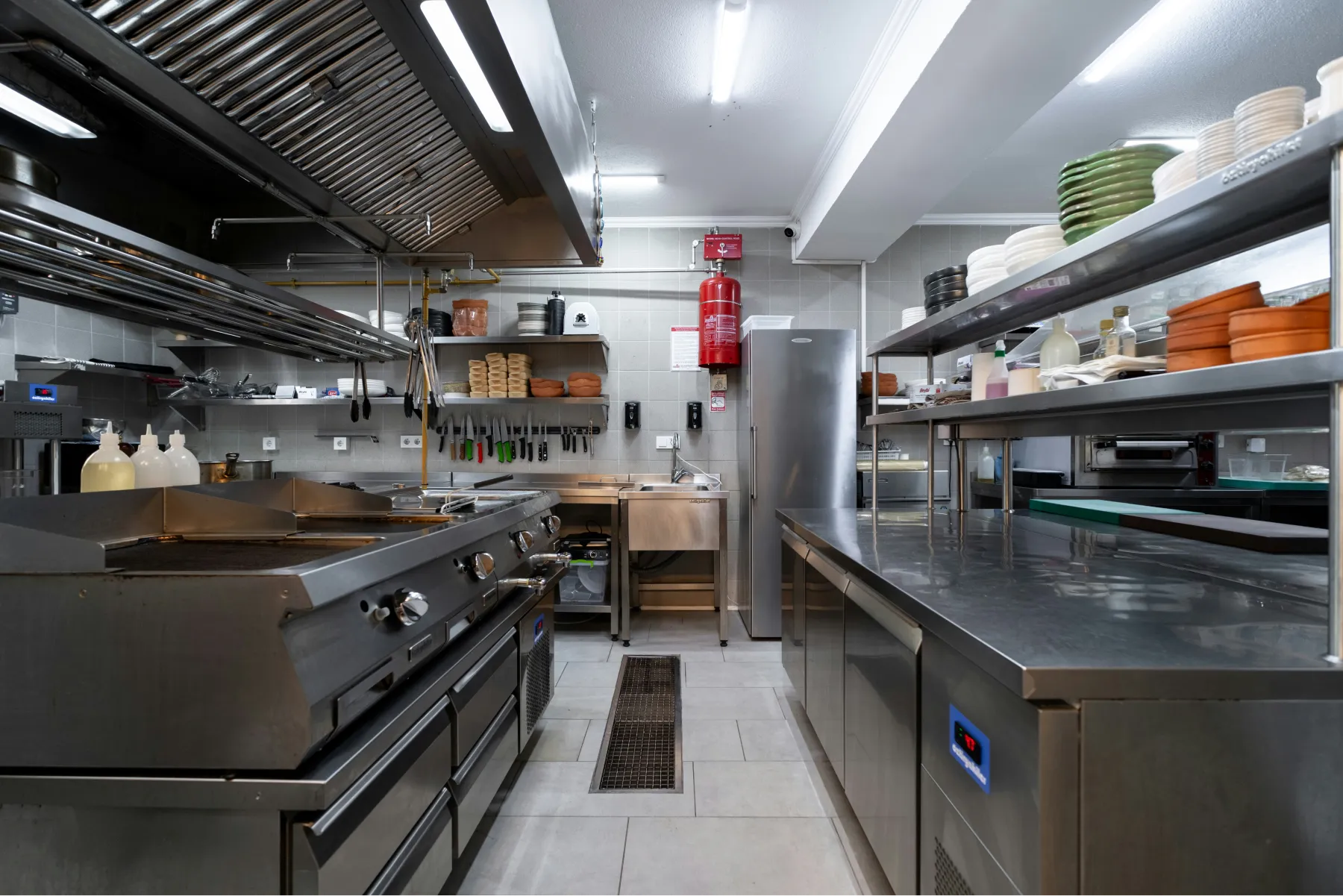
Walk through the whole kitchen and list everything that must be kept clean. Think about the surfaces you see, and the ones that are easy to forget.
- Worktops, chopping boards and prep equipment
- Fridges, freezers and cold rooms, including handles and seals
- Stove, griddle, fryer and extraction hood
- Floors, drains, walls and ceilings
- Dishwasher, sinks and waste areas
2. Set a frequency for each task
Group tasks by how often they need doing. Some surfaces are cleaned several times a day, others weekly or monthly.
- Daily: worktops, chopping boards, floors and dishes
- Weekly: fridge interiors, extraction filters and storage shelves
- Monthly: behind equipment, deep cleaning the freezer and walls
3. Describe how, and with what
For each task, note which product to use, the dosage and the method. Follow the manufacturer instructions for chemicals, and keep cleaning and disinfection separate where needed. That way the result stays the same even when new staff do the job.
4. Assign responsibility
A task without an owner easily becomes no one's job. Tie each task to a role or a shift so it is always clear who does what.
5. Record that it is done
Cleaning that is not recorded is hard to prove. A simple sign off, ideally digital, shows the schedule is being followed and that your routines work in practice.
The cleaning schedule in practice
The best schedule is the one that actually gets used. Keep it easy to reach, or place it where staff already are. Go through it with new team members, and update it whenever you change equipment, menu or cleaning supplier. For wider guidance on hygiene and cleaning, the UK Food Standards Agency is a solid reference.
If something out of the ordinary happens, such as a pest sighting or a surface that was missed, record it and follow up. Handling small issues systematically keeps them from growing into big ones.
From paper binder to a digital schedule
Many still keep the cleaning schedule in a binder on the wall, where the ticking off slips during a hectic shift. With a digital food safety system the checklists sit where staff work, tasks log automatically when completed, and you can see at a glance what is done and what is missing. That frees up time for the food and the guests instead of hunting for a paper form.

Stay up to date
Industry insights straight to your inbox
Practical insights and smart improvements to simplify hospitality operations. We'll also keep you updated on relevant news from Runwell.